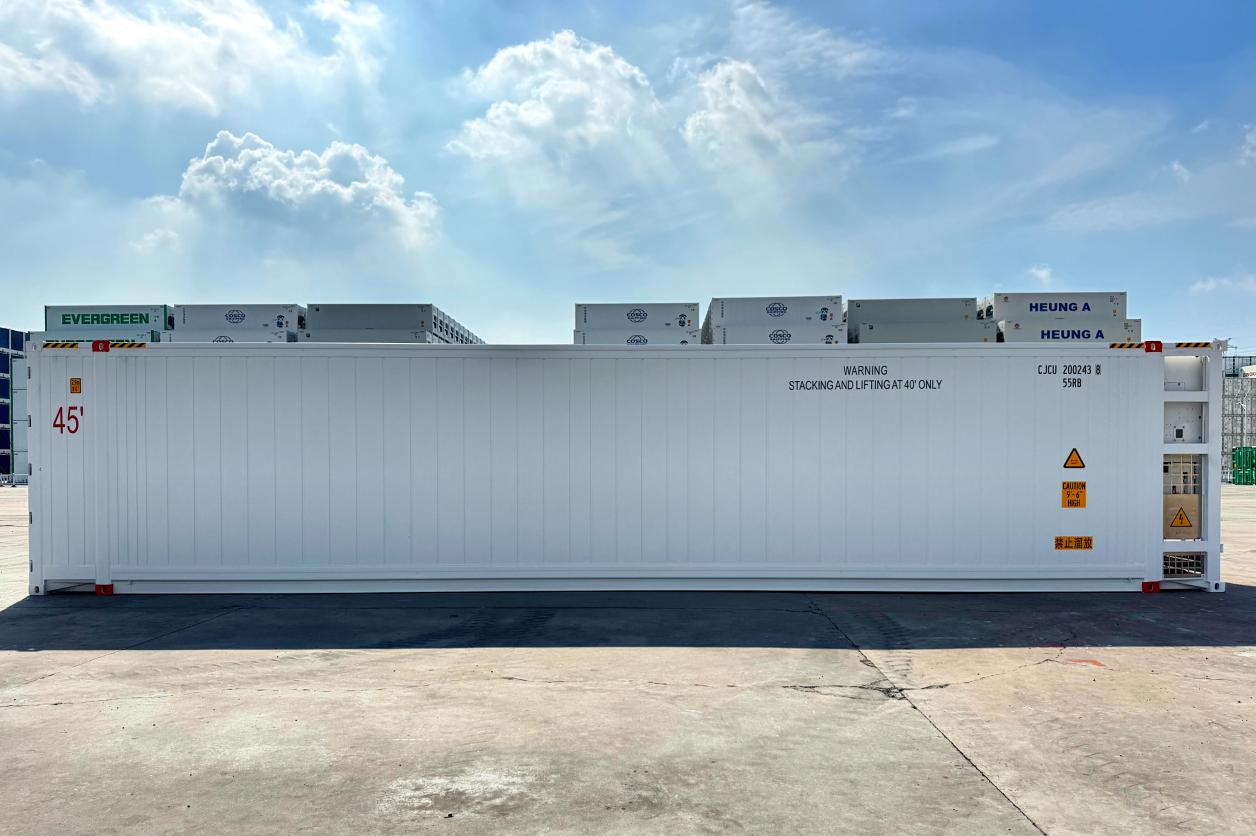
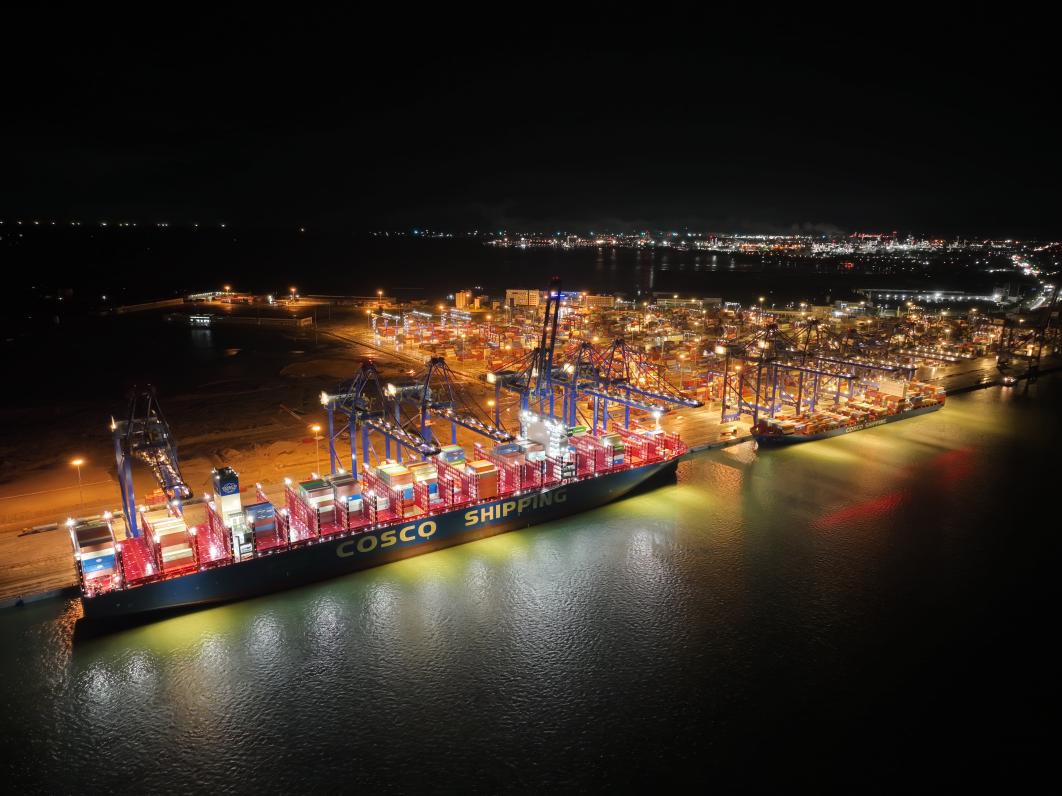
Recently, COSCO SHIPPING Development has made another significant stride in the refrigerated container sector with the official deployment of its 45-foot railway reefer container. This new container enables seamless intermodal transfer between railway and highway networks, injecting new momentum into intermodal cold chain transportation. It ensures that perishable goods retain maximum freshness and original quality throughout long journeys.
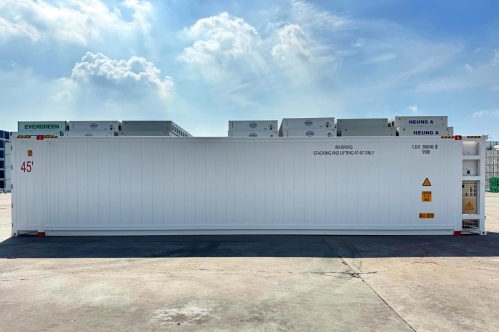
Compared with traditional 40-foot refrigerated containers, a key advantage of the 45-foot railway reefer container lies in its expanded capacity and enhanced stability. Its cargo capacity has increased by 13%, meaning that the same train consist can carry more cargo, effectively lowering unit transportation costs and delivering significant scale benefits.
Furthermore, the container adopts an integrated design of the refrigeration unit frame and main structure. While expanding internal volume, it also ensures robust structural stability, providing more reliable hardware support for long-distance trunk-line transportation.
The core of refrigerated transportation is stable temperature control. A long-standing pain point in the railway cold chain is unstable power supply during medium and long-distance transit, which may cause refrigeration interruptions. To resolve this, COSCO SHIPPING Development has equipped the container with a diesel-electric hybrid refrigeration system, capable of delivering uninterrupted cooling under different power conditions on railway and highway networks.
Meanwhile, the air-cooling design ensures uniform cold air circulation and stable temperature distribution. The fuel tank installed under the refrigeration unit further improves energy supply safety. Whether it is high-end seafood, fresh fruits and vegetables, or highly temperature-sensitive biological products, they can all be safely transported across regions in this “mobile constant-temperature space.”